.png)

Rising Patient Responsibility: What the Future Holds for Provider Financial Health
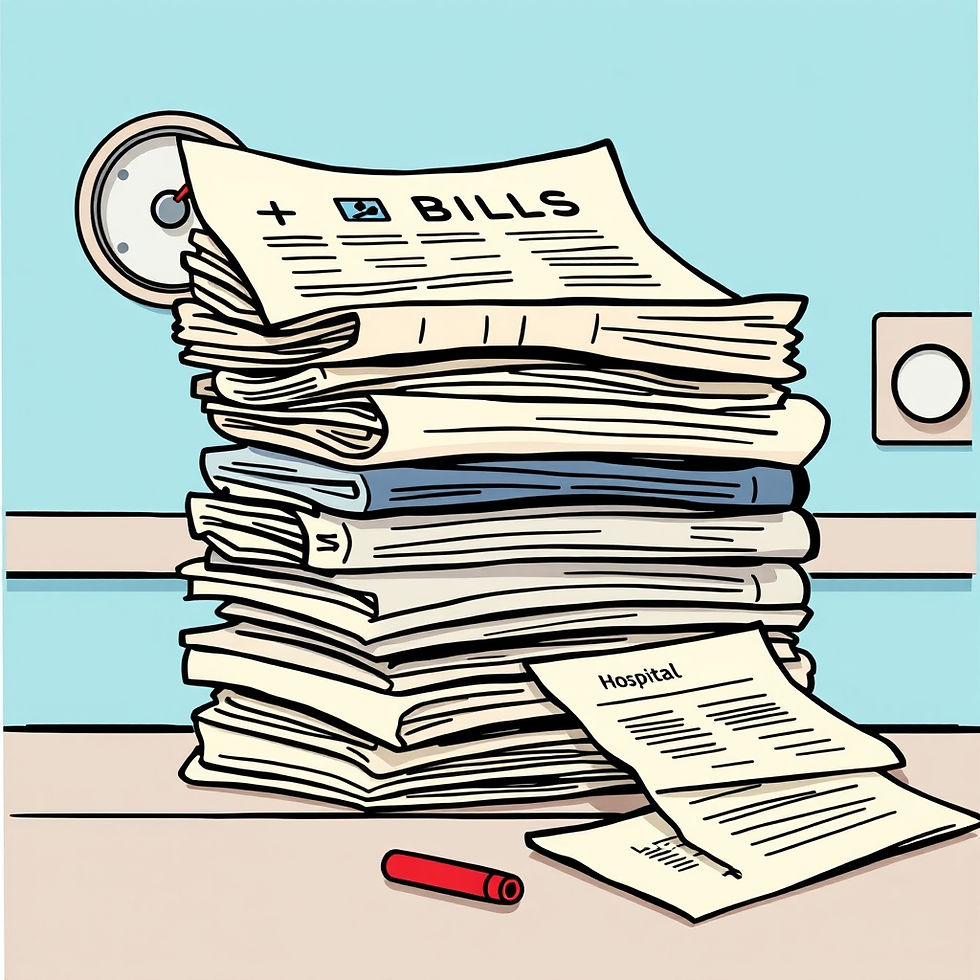
The financial center of gravity in healthcare has shifted. A decade ago, insurance companies carried most of the load; today, a growing share of the bill lands in the patient’s lap. High-deductible health plans are now a fixture of American insurance design, and with them comes a level of cost-sharing that many households simply aren’t prepared to absorb.
For providers, this shift isn’t theoretical — it shows up in slower cash flow, higher bad debt, and patients who feel blindsided by what they owe.
The Data Behind the Shift
The numbers tell a story that’s hard to ignore:
More than 50% of insured Americans are enrolled in a high-deductible plan
Annual U.S. patient out-of-pocket spending now exceeds $500B
Providers collect less than 55% of patient balances after insurance
Nearly 3 in 4 patients report negative experiences tied to financial surprises in their care
When insurance shifts costs downstream, providers are forced to operate in two worlds at once: part clinical enterprise, part consumer finance operation.
The Provider Challenge
Collecting from patients is fundamentally different from collecting from payors — and far less predictable. Bad debt is no longer the domain of the uninsured; it increasingly comes from insured patients who simply can’t meet their deductibles.
Common pain points include:
Rising bad debt and charity care as households fall behind on medical bills
Heavy administrative workload spent explaining benefits, co-pays, and estimates
Frustrated patients who often confuse their insurer’s benefit design with the provider’s billing policies
Delayed or fragmented payments, which drag down cash flow
Margins are thin, labor costs are high, and every dollar stuck in patient A/R counts.
A Consumer Reality Healthcare Can’t Ignore
Patients compare every healthcare interaction with their everyday digital lives — banking apps, online shopping, and subscription services. When healthcare doesn’t match that simplicity, frustration grows.
Modern consumers expect:
Clear, upfront cost information
Mobile, text-based, and frictionless ways to pay
Statements that read like plain English, not policy manuals
Payment options that align with how families actually budget
Yet many provider workflows remain tethered to paper, call centers, and post-service billing cycles that feel out of step with consumer expectations.
The result: lower collection rates and declining patient trust.
Where the Future Is Headed
Healthcare is moving toward a financial journey that mirrors the clinical one — proactive, transparent, and increasingly digital. Over the next several years, trends will shape that evolution:
1. Real-Time, Pre-Service Cost Conversations
Price transparency rules are forcing a long-overdue shift. Patients should know what they owe before the service, not weeks after.
2. Mobile-First Billing For Outpatient Services
Text-to-pay, QR billing, and digital statements consistently outperform paper in payment speed and collection rates for standard, non-complex visits.
3. Smarter, More Accessible Financing
Flexible payment plans, retail-style financing, and subscription-based care models will become standard tools rather than last-ditch rescue options.
4. Automation That Reduces Administrative Burden
Eligibility-driven estimates, automated reminders, and self-service portals free billing teams to focus on the exceptions — not routine follow-up.
5. Policy Changes That Protect Consumers
Expect continued regulatory pressure around transparency and simpler benefit design, aimed at minimizing patient shock and improving financial literacy.
The Opportunity Ahead
The providers who treat patient responsibility as part of the patient experience — not just a collections challenge — will see the biggest gains. Those organizations tend to:
Collect payments faster and with fewer touchpoints
Improve patient satisfaction and repeat utilization
Reduce avoidable write-offs with early, clear financial conversations
Build a billing process patients actually trust
In an era where margins are shrinking and consumer expectations are rising, financial experience is emerging as a core component of care delivery.
Bottom Line
Patient responsibility isn’t a temporary trend. It’s reshaping the economics of healthcare and demanding a new level of operational agility and digital engagement. Providers who adapt early will not only strengthen cash flow — they will strengthen relationships with the very people they serve.
The shift is already here. The organizations that modernize around it will be the ones that thrive.



Comments